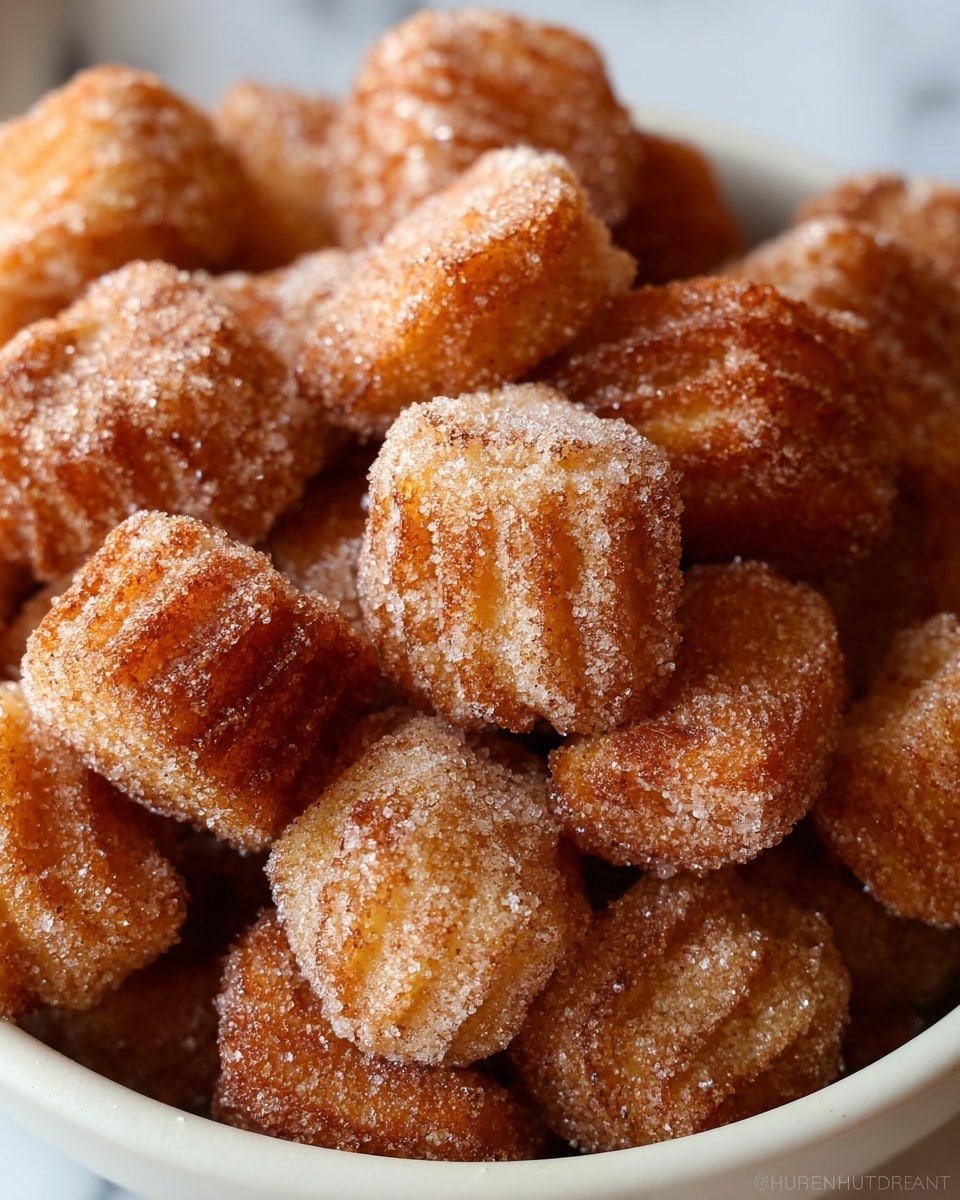
Unlock the Secrets to Perfect Churro Bites: Mastering Oil Temperature and Choux Pastry
Imagine biting into a golden-brown delicacy: shatteringly crisp on the outside, wonderfully tender and airy within, all generously coated in sparkling cinnamon sugar. This isn't just a dream – it's the reality of perfectly crafted homemade churro bites. While traditional churros might seem like a carnival-exclusive treat, these delightful, poppable versions bring all the magic right into your kitchen with surprising ease. The secret to achieving this sublime texture and flavor lies in two fundamental pillars: understanding the simple yet powerful technique of choux pastry and diligently controlling your oil temperature.
Gone are the days when homemade churros felt like an intimidating project. Our focus today is on bite-sized wonders that come together quickly, often in under 20 minutes, using everyday pantry staples. Whether you're hosting an impromptu gathering, satisfying a late-night craving, or simply want to elevate your dessert game, these churro bites offer unparalleled satisfaction without the fuss of their full-sized counterparts. Let's dive into the core principles that transform basic ingredients into an extraordinary sweet sensation.
The Magic of Choux Pastry: The Foundation of Fluffy Churro Bites
At the heart of every magnificent churro bite lies choux pastry – a technique that sounds incredibly sophisticated but is, in fact, remarkably straightforward. Often associated with cream puffs and éclairs, choux pastry (or *pâte à choux*) is perfectly suited for churros due to its unique ability to puff up dramatically when fried, creating that signature airy interior and robust structure.
The process begins on the stovetop, where water (or milk), butter, and a pinch of sugar and salt are brought to a gentle boil. Flour is then vigorously stirred in, forming a thick, shiny dough known as a *panada*. This initial cooking phase is crucial: it cooks the flour, gelatinizing its starches, and more importantly, it helps to dry out the dough. A well-dried panada ensures that your final pastry will be sturdy enough to fry beautifully and prevent it from becoming soggy. You'll know it's ready when the dough pulls away from the sides of the pan and a thin film forms at the bottom.
After cooling slightly, eggs are incorporated one at a time. This is where the magic truly unfolds. The eggs add moisture and richness, but critically, they introduce a leavening agent in the form of steam. When this egg-enriched dough hits hot oil, the moisture within the eggs rapidly turns to steam, causing the dough to inflate and create those coveted hollow, tender pockets inside.
Key Tips for Choux Pastry Success:
*
Don't Rush the Panada: Ensure you cook the flour and water mixture long enough on the stove until it forms a cohesive ball and pulls away from the sides, signaling that excess moisture has evaporated.
*
Cool Slightly Before Eggs: Transfer the dough to a bowl and let it cool for a few minutes (around 5 is usually sufficient) before adding the eggs. This prevents the eggs from scrambling when they hit the hot dough.
*
Add Eggs Gradually: Beat in each egg one at a time, mixing vigorously until fully incorporated before adding the next. The dough should be smooth, shiny, and have a consistency that pipes easily but holds its shape.
This basic choux pastry technique is what gives your churro bites their characteristic crispy shell and light, pillowy interior, ready to absorb that glorious cinnamon-sugar coating. For more quick and easy recipes, check out
Quick Churro Bites: Easy 20-Minute Recipe for Crispy Cinnamon Treats.
The Critical Role of Oil Temperature for Crispy Perfection
If choux pastry is the heart of your churro bites, then precise oil temperature is the soul that breathes life into their perfect texture. This step cannot be overstated: the difference between an ethereal, crispy churro bite and a greasy, raw, or burnt one often comes down to just a few degrees.
The ideal temperature for frying churro bites is consistently between
350°F and 360°F (175°C to 182°C). This narrow window is where chemical and physical reactions align perfectly to create the desired outcome.
*
Oil Too Hot (Above 360°F): If your oil is too hot, the exterior of the churro bite will brown and crisp almost instantly, forming a hard crust before the interior has a chance to cook through. This results in a churro that's burnt and bitter on the outside, with a gooey, raw, and unappetizing center. The steam inside won't have enough time to properly leaven the dough, leading to dense pockets.
*
Oil Too Cold (Below 350°F): Conversely, if the oil temperature is too low, the dough will absorb an excessive amount of oil. Instead of quickly forming a crust and sealing in the moisture, the churro bites will soak up the fat, becoming heavy, greasy, and soggy rather than light and crispy. The steam won't be generated fast enough or powerfully enough to create that airy interior.
*
Just Right (350°F-360°F): Within this golden range, magic happens. The heat is intense enough to quickly crisp the exterior, creating a beautiful golden-brown crust, while also allowing the interior to cook thoroughly and the steam to properly leaven the dough, resulting in that delightful airy texture. The churro bites cook evenly, becoming light, crispy, and cooked all the way through without being overly greasy.
Actionable Advice for Temperature Control:
*
Invest in a Thermometer: A candy thermometer or deep-fry thermometer is your best friend here. It takes all the guesswork out of this crucial step. Clip it to the side of your pot and monitor it continuously.
*
Use the Right Oil: Opt for a neutral-flavored oil with a high smoke point, such as vegetable oil, canola oil, or peanut oil.
*
Don't Crowd the Pan: Fry churro bites in small batches. Adding too many at once will significantly drop the oil temperature, leading to greasy churros. Give them space to move and cook evenly.
*
Adjust Heat as Needed: Be prepared to slightly increase or decrease your burner's heat to maintain the target temperature. It's a dance, but one that leads to delicious rewards.
*
Deep Pot: Use a heavy-bottomed pot (like a Dutch oven) that can hold at least 2 inches of oil and maintain heat consistently.
Mastering this aspect of frying will elevate your homemade churro bites from good to truly extraordinary, ensuring every bite is a testament to crispy perfection.
Crafting the Perfect Churro Bites: Beyond the Basics
While choux pastry and oil temperature are non-negotiable for success, several other elements contribute to creating truly outstanding churro bites.
*
The Right Tools: A piping bag fitted with a large star tip (like an open star or closed star) is essential. The star shape creates ridges that maximize surface area, making them extra crispy and providing more nooks and crannies for the cinnamon sugar to cling to. Using kitchen shears to snip the dough directly into the hot oil makes this process easy and safe.
*
The Cinnamon Sugar Coating: This isn't just an afterthought; it's an integral part of the churro experience. Combine granulated sugar with a generous amount of ground cinnamon. For extra sparkle and crunch, you can even add a touch of fine-grain sugar. The trick is to toss the freshly fried churro bites in the cinnamon sugar immediately after draining them. While they're hot, the sugar adheres perfectly, melting slightly to create an irresistible coating.
*
Quality Ingredients: Although the recipe uses pantry staples, fresh eggs and good quality butter will always yield superior results in terms of flavor and texture.
*
Serving Suggestions: While glorious on their own, churro bites truly shine when paired with a dipping sauce. Classic choices include rich melted chocolate (dark or milk), luscious dulce de leche, or a tangy fruit coulis. Serve them warm for the ultimate indulgence.
If you're looking to recreate that classic fairground experience, our
Crispy Churro Bites: Fairground Flavor Made Easy at Home article provides even more insights.
Troubleshooting Common Churro Bite Issues
Even with the best intentions, a few common pitfalls can hinder your churro bite journey. Here's how to address them:
*
Soggy or Greasy Churros: Almost always a sign of oil that's too cold or overcrowding the fryer. Ensure your oil is at the target temperature and fry in small batches.
*
Raw Centers: This indicates the oil was too hot, causing the exterior to cook too quickly. Lower the temperature and continue monitoring with a thermometer.
*
Flat or Dense Churros: This could be due to not drying out the panada enough on the stove (too much moisture), not enough egg, or sometimes over-mixing the eggs. Ensure the dough is firm before adding eggs, and add eggs gradually.
*
Churros Burning Too Quickly: Again, likely oil that is too hot. Reduce heat.
*
Churros Don't Hold Shape: The dough might be too wet (not enough flour or too much egg for the recipe). Ensure the dough is thick enough to hold a piped shape.
Patience, careful observation, and sticking to the fundamental principles outlined above will help you overcome these challenges and achieve consistent success.
Conclusion
Making perfect churro bites at home is a rewarding culinary adventure that's far more accessible than you might imagine. By demystifying the elegant simplicity of choux pastry and emphasizing the absolute criticality of precise oil temperature control, you're now equipped with the core knowledge to transform simple ingredients into an extraordinary dessert. These golden, cinnamon-sugar-dusted treats offer all the joy and flavor of classic churros in an irresistible, poppable form that's ideal for any occasion. So, grab your thermometer, prepare your piping bag, and get ready to master the art of the perfect churro bite – a homemade delight that will undoubtedly disappear faster than you can say "dessert"!